
Description:
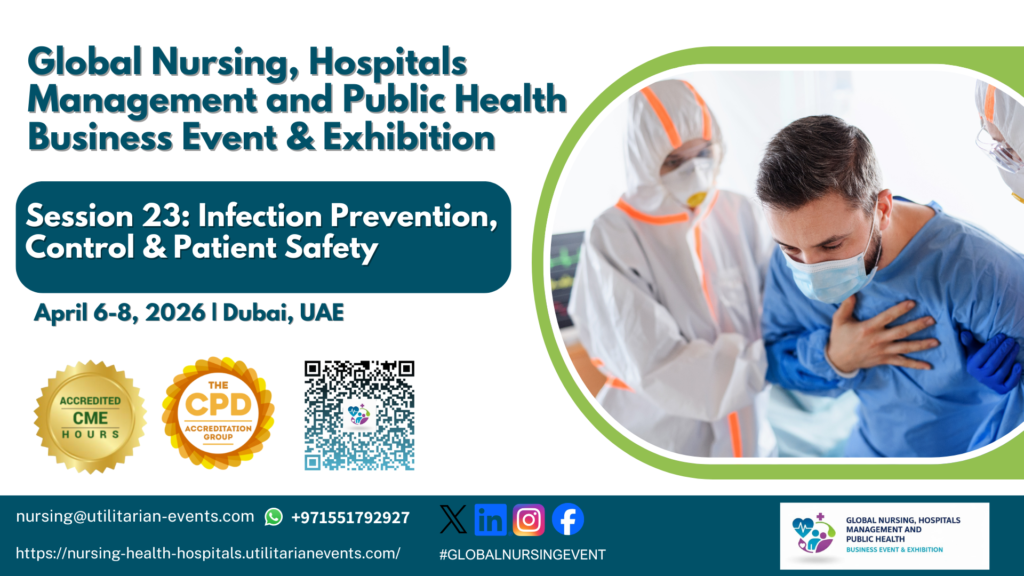
Infection Prevention, Control & Patient Safety focuses on strategies, practices, and policies designed to minimize the risk of healthcare-associated infections and ensure a safe environment for patients, healthcare workers, and the community. This field emphasizes evidence-based protocols, hygiene practices, antimicrobial stewardship, and surveillance systems to prevent the transmission of infectious agents. It integrates risk assessment, staff training, and patient education to promote a culture of safety, compliance, and accountability within healthcare settings. By prioritizing infection control and patient safety, healthcare organizations can enhance quality of care, reduce morbidity and mortality, and maintain trust in clinical services.
Upload here: https://nursing-health-hospitals.utilitarianevents.com/upload-presentation/
WhatsApp: https://wa.me/+971551792927
Email: nursing@utilitarian-events.com
Keynote Points:
Implementation of evidence-based infection prevention and control (IPC) protocols
Promoting hand hygiene, sterilization, and disinfection best practices
Antimicrobial stewardship to reduce resistance and optimize treatment outcomes
Surveillance and monitoring of healthcare-associated infections (HAIs)
Risk assessment and mitigation strategies for patient and staff safety
Benefits:
Reduces healthcare-associated infections (HAIs) and associated morbidity and mortality
Enhances patient safety and quality of care in healthcare settings
Strengthens compliance with national and international infection control standards
Improves clinical outcomes through proactive risk management and preventive practices
Builds staff competency, awareness, and accountability in infection prevention
Promotes a culture of safety, vigilance, and continuous quality improvement